

Authors: Dave and Pinky, Co-owners of Jhasper Fashion.
Meet the owners of Jhasper Fashion
Published: October 1, 2026
Discuss alterations if you already own a suit and want changes that its existing construction can accommodate. Consider made-to-measure if you want a new suit developed from an adapted starting pattern. Explore bespoke when an individual pattern and the provider’s process fit your requirements. The right choice depends on what you have, what you need to change and what the business can demonstrate. Ask about the actual work, limits and opportunities to review the garment before deciding from the service label.
This guide is produced for Jhasper Fashion. It explains service choices without claiming that one category guarantees a better result or that every category described is currently offered by Jhasper.
What Each Service Actually Changes
The comparison of made-to-measure vs bespoke vs alterations starts with the garment and pattern. Alterations work on clothing that already exists. Made-to-measure and bespoke concern a new commission, but differ in their typical starting point and the process a provider describes.
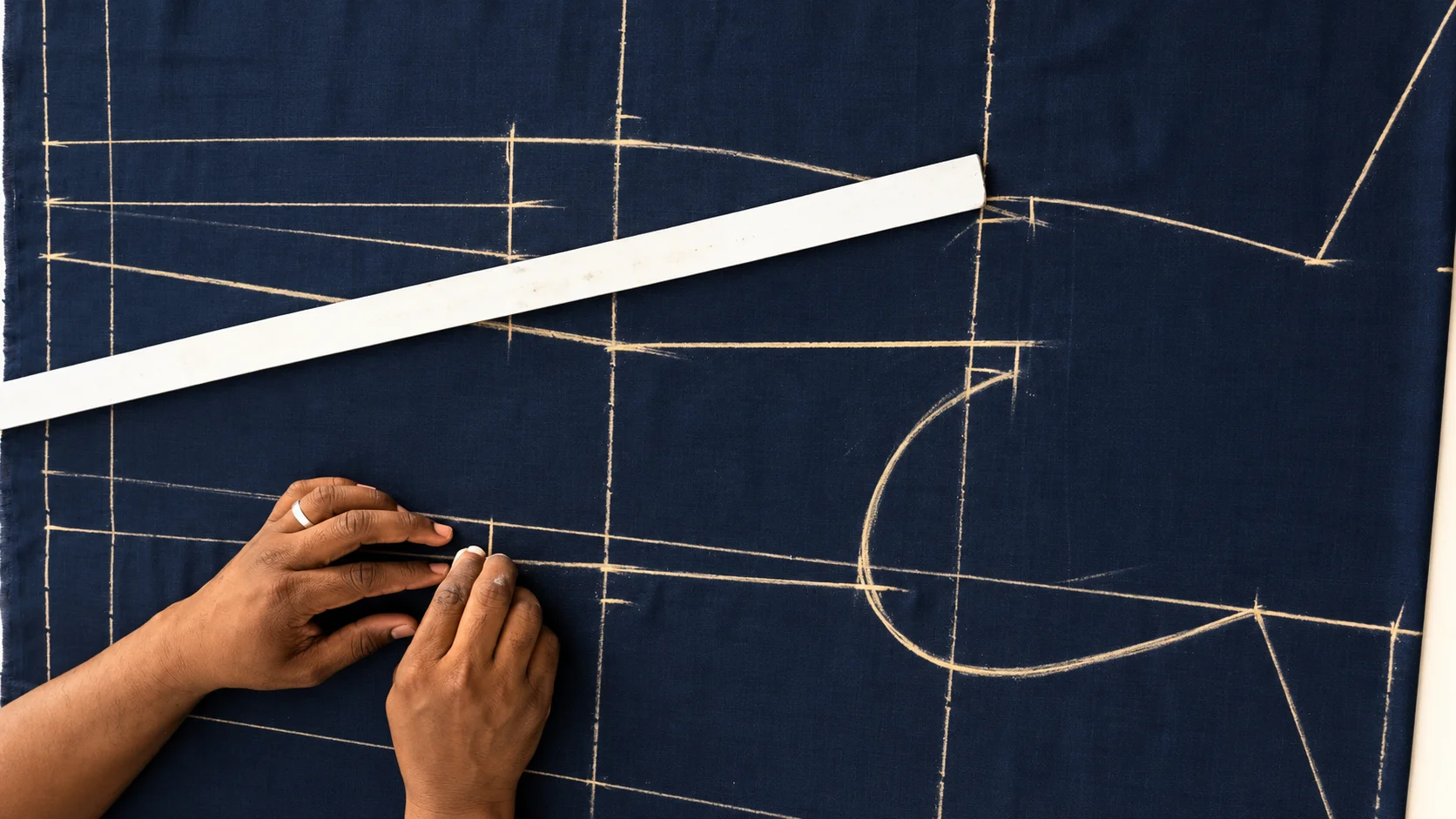
For a documented made-to-measure example, Huntsman describes adapting its own block pattern to the client’s measurements. For a traditional bespoke example, Henry Poole describes creating a personal paper pattern. These are accounts of those businesses’ methods, not proof of another provider’s process or terms.
Service names are therefore useful questions, not complete specifications. Ask how the starting pattern relates to your measurements, who interprets your requirements and how the garment will be assessed on you. Do not infer a fixed amount of handwork, appointment count, delivery date or adjustment policy from one word.
| Comparison point | Alterations | Made-to-measure | Bespoke |
|---|---|---|---|
| Starting point | An existing garment. | Commonly an established pattern adapted for the wearer. | Traditionally an individual pattern for the commission. |
| Main decision | Can the desired change be achieved in this garment? | Can the provider’s pattern system and options meet the brief? | Does the individual-pattern process address the brief and constraints? |
| Scope to verify | Which changes are practical and what will remain unchanged. | Which pattern and styling adjustments are available. | How the pattern is developed and reviewed through the process. |
| Key limitation | Existing cloth and construction constrain the work. | Available adjustments vary by provider and system. | The label alone does not establish execution, suitability or timing. |
| Useful question | “What result can you reasonably achieve with this suit?” | “How will your starting pattern be adapted for me?” | “Who develops my pattern, and how will decisions be checked?” |
This table is an editorial comparison. The provider must assess your garment or brief before recommending a service.
When Alterations May Be Enough
Start with an alterations assessment if you like the suit you own and can identify the change you want. Bring the actual jacket and trousers together, along with the clothing relevant to how you wear them. A description or photograph can begin a conversation, but it may not reveal the garment’s internal constraints.
Describe the problem in ordinary language: where you feel restricted, what looks different from your preference and when the issue occurs. Ask the fitter to distinguish the result you want from the work that is practical. You do not need to prescribe the technical solution before the garment has been examined.

Request a clear scope: the proposed change, what it will leave unchanged, any limitation that affects the result, the price and how the work will be checked. If several changes are proposed, ask whether they still make sense together. A list of individually possible adjustments is not necessarily a good plan for the whole suit.
When choosing between alterations or a new suit, compare the outcome you can reasonably expect from each. There is no universal cost percentage at which replacement becomes the correct answer. The garment’s usefulness, your attachment to it and the limits of the proposed work all matter.
When Made-to-Measure Fits Your Needs
Made-to-measure is worth discussing when you want a new suit and the provider can explain how its available pattern adjustments and design options address your brief. Bring preferences as well as recurring fit concerns. An existing garment you like can help communicate what you want to retain or change, without assuming it should be copied exactly.
Ask which decisions are flexible and which belong to the provider’s established system. A choice of cloth, lapel or lining does not by itself explain how fit is developed. Request a description of the fit assessment and how the team handles an issue that becomes visible when you try on the garment.
Consider whether the available process solves your actual problem. If the proposed adjustments do not address an important requirement, ask for an alternative assessment before ordering. Do not treat an extensive options menu as a substitute for that conversation.
When to Consider Bespoke
Explore bespoke if an individual-pattern commission is relevant to your needs and you can participate in the process the provider describes. The useful questions concern responsibility and decisions: who develops the pattern, what information informs it, when the garment is assessed and how feedback changes the work.
Ask what “bespoke” means in that particular business. A detailed answer should connect the term to actions in your order. Avoid drawing conclusions from a photograph of paper patterns, a workshop display or a description of a different tailoring house.
Bespoke is not automatically the necessary response to every fit concern. Nor does selecting it remove the need to discuss budget, available appointments, styling priorities and the intended use of the suit. The process must fit both the garment brief and your practical circumstances.
Questions That Verify the Process
Ask the same practical questions of each provider so that different labels do not obscure different proposals.
- What garment or pattern will this work begin with?
- Which part of my stated problem will the proposed service address?
- What cannot reasonably be changed or selected within this process?
- Who records the brief and checks that the result responds to it?
- When will I have an opportunity to assess the garment, and what happens if an issue remains?
- What is included in the written price, and which changes could alter the scope?
Keep the answers with the written brief. If the provider changes its recommendation after examining your garment or discussing your requirements, ask what new information prompted the change. That explanation is more useful than treating the first service label as a commitment.
Illustrative decision example: someone owns a suit they enjoy wearing but wants a specific adjustment. They begin with an assessment of that garment. If the intended result cannot reasonably be achieved, they compare a new commission against their needs. This is a hypothetical example, not a claim about a completed Jhasper order.
At Jhasper Fashion, we offer a complete bespoke tailoring process, from the initial consultation and measurements through individual pattern development, fittings, adjustments and final completion. The process is developed around the individual client rather than treating bespoke as simply a choice of cloth or styling options.
During the consultation, we discuss the client’s requirements, preferred style and fit, and any specific concerns that need to be addressed. These details inform the subsequent pattern and fitting process. The garment is then assessed through the fitting stages, allowing adjustments to be identified and addressed before final completion.
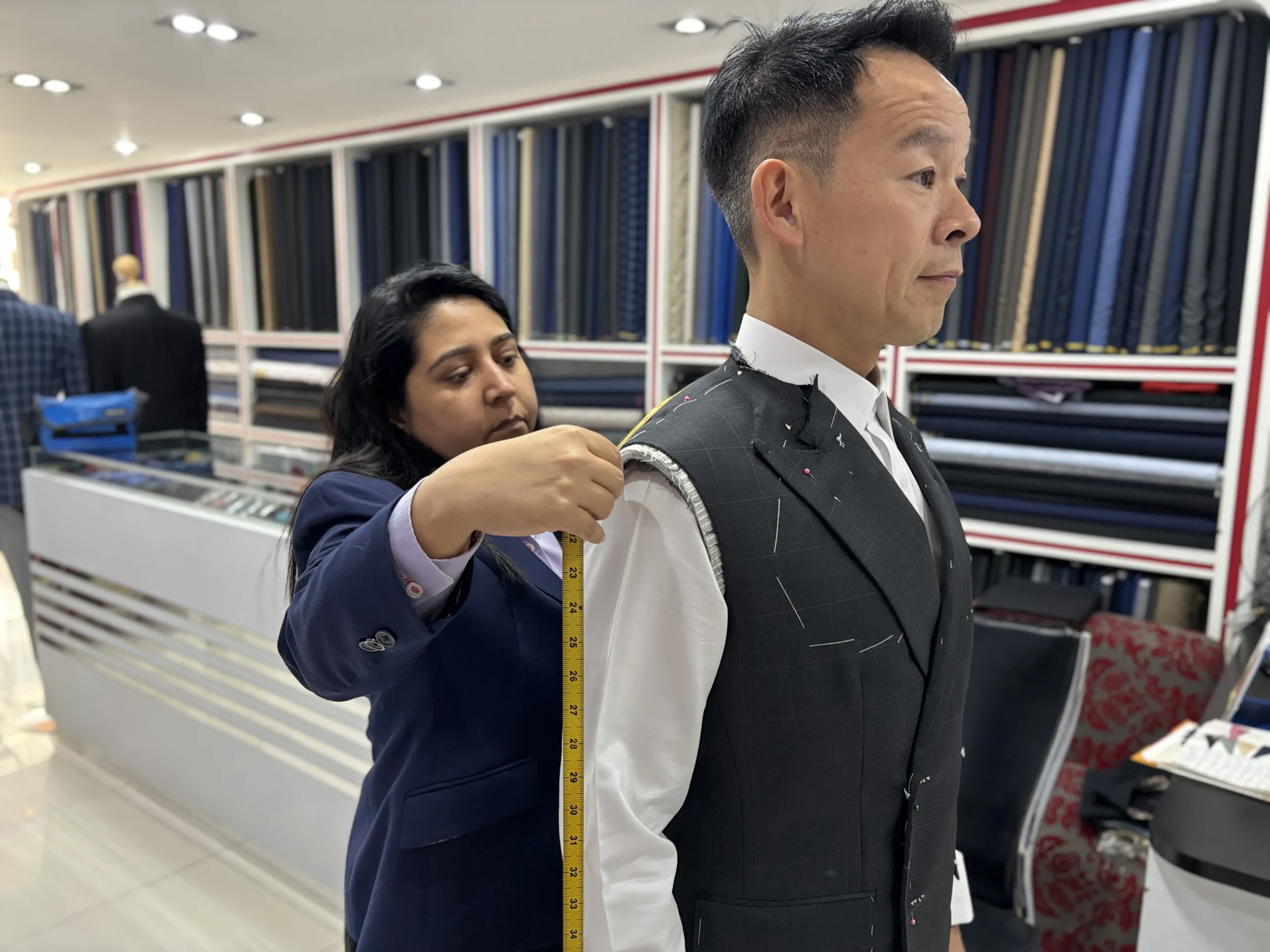
The number and timing of fittings can depend on the garment, the client’s requirements and the progress of the commission. Our team can explain the applicable process, expected appointments and any relevant limitations when discussing a specific order.
Choose Based on the Garment and Your Constraints
Use a short decision sequence. First, establish whether you are adapting an existing suit or commissioning a new one. Next, identify the change that matters most. Then compare the provider’s actual scope, review process and practical constraints. Choose the service whose explained process addresses that brief.
Once you know which tailoring service you need to discuss, connect that decision with location and appointments through how to plan your first tailored suit purchase in Bangkok.
To discuss an order with Jhasper Fashion, explore its tailored suits in Bangkok and describe the garment, outcome and constraints you have in mind. Ask the team to confirm the applicable service before choosing a label for it.