


A four-day suit fitting itinerary should be built around dependencies, not four fixed promises. The opening appointment settles the garment brief and the real production plan. Later visits depend on what needs review, while the last day protects collection and departure. This approach avoids assuming that every garment, body, or workshop follows the same clock.
Start With Dependencies, Not a Rigid Timetable
A fitting tests a garment on the body at a particular stage. The Savile Row tailoring terms for fittings and garment stages describe a baste as a garment roughly assembled for a first fitting. An appointment may therefore depend on work being ready for observation, not simply on a calendar date. Anchor the trip to arrival, confirmed appointment windows, and departure, then place optional activities around them.
What Must Be Decided Before Day 1?
Arrive with the occasion, wearing conditions, broad style preference, and firm deadline clear. Bring the shoes and shirt type likely to be worn with the suit when practical. Separate needs—fit, comfort, movement, timing—from flexible details. Added garments or late design changes can alter the schedule.
Day 1: Lock the Brief and Confirm the Real Schedule
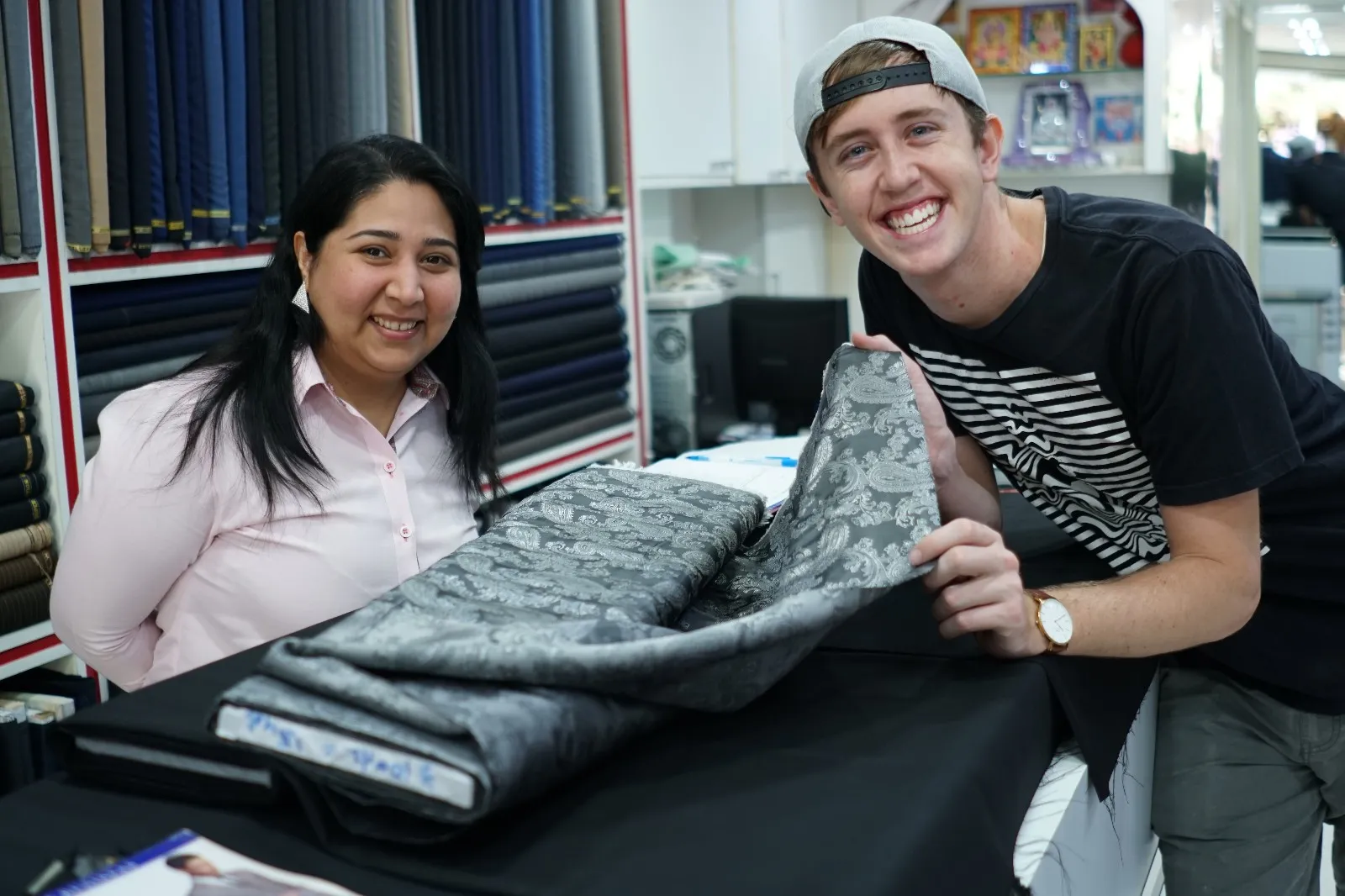
Confirm purpose, cloth, design direction, measurements, and the process actually being offered. Ask which visits require your presence, how flexible each window is, and what happens if a correction needs another review. Put those answers into the itinerary before adding leisure plans.
This is the point to connect planning with a tailoring service conversation built around a realistic appointment plan. Replace assumptions with a schedule agreed by the people responsible for the garment. Keep the rest of Day 1 nearby and easy to move.
Day 2: Protect the First Garment-on-Body Review

The first garment-on-body review tests what measurements cannot show alone: balance, ease, length, movement, and how jacket and trousers work together. Wear the planned shoes if possible, then sit, walk, and relax the arms. Explain precisely where something pulls or appears uneven. Before leaving, record the next confirmed window, what will be adjusted, and anything you must bring.
Day 3: Use Feedback Without Expanding Scope
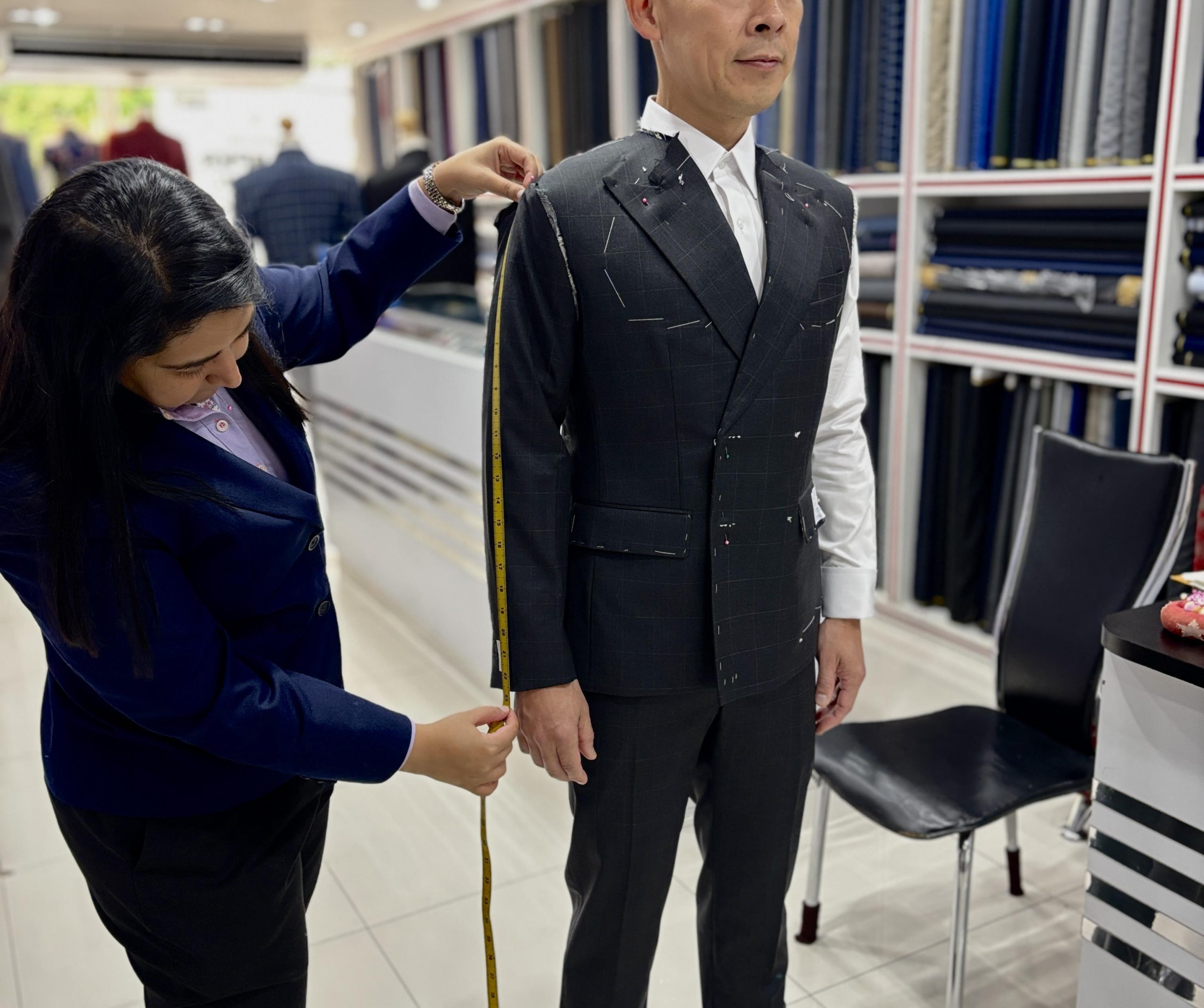
Recheck earlier observations before introducing new preferences. A small change to length, suppression, sleeve position, or trouser break can affect the silhouette, so corrections should be considered in sequence.
Describe location, movement, and visual lines precisely. Avoid adding garments or major revisions now because each creates new dependencies.
Day 4: Confirm, Document, and Keep a Departure Buffer
The final day should confirm the result, not rescue an unfinished brief. Check comfort while standing, walking, and sitting; confirm the agreed components; and ask how any remaining issue will be handled.
Keep a buffer before an airport, station, or fixed meeting. Collection may include a final observation, care guidance, or packing. If timing slips, agree on a safe alternative instead of compressing every step.
Where Should Sightseeing and Meetings Fit?

Keep flexible activities near the appointment area and reserve cross-city sightseeing for periods with no tailoring dependency. Protect the hours before a fitting from delay and the period after it from overcommitment. Fixed meetings belong on the clearest part of the day.
What Can Disrupt a Four-Day Plan?
Late arrival, missing shoes, unclear purpose, delayed decisions, added scope, and long journeys can weaken the schedule. A fitting may also reveal a correction that changes timing. These are decision points, not automatic failures. Keep one recovery window and know which leisure activity can move.
Use a Compact Decision Rule
Label each block essential, conditional, or flexible. Confirmed consultation, required fittings, collection, and departure are essential. A later visit is conditional until the preceding stage supports it. Most dining, shopping, and sightseeing remain flexible.
When two blocks conflict, protect the one that unlocks the next garment stage or protects departure. Contact the relevant party early rather than hoping both can still happen.
Frequently Asked Questions
Is four days always enough?
No. Feasibility depends on the garment, capacity, fitting findings, and requested changes. Confirm it for the order.
Should every day include a fitting?
Not necessarily. An open day may be production time or a recovery window.
When should collection happen?
Use a confirmed window with space before departure.
Final Takeaway
A sound four-day plan protects a sequence of decisions: define the brief, confirm the real process, attend each garment-on-body review, control late changes, and keep a departure buffer. Visible essentials and movable leisure plans create a calmer itinerary.