

The best suit fabric for mixed climates is not automatically the lightest, softest, or most famous. It is the cloth whose comfort, recovery, drape, and care demands match a repeated cycle: heat outdoors, strong air conditioning indoors, long periods of sitting, travel, and time between wears. Start with that use pattern, then turn it into a fabric brief before comparing labels.
This page does not rank mills or repeat a general swatch-comparison method. Its narrower purpose is to help a wearer define what the cloth must do across changing conditions. Fabric is only one part of performance, so the brief should also account for lining, garment structure, fit, and how frequently the suit will be rested.
Begin With the Wearer’s Climate Cycle
Write the real sequence of use. Note how long the wearer is outside, whether daily movement is mostly walking or driving, the temperature of the workplace, hours spent seated, expected travel, and how often the suit returns to the wardrobe. A cloth for short formal events has a different assignment from one worn through weekly flights and full office days.
Why Light Weight Is Not the Whole Answer
Low weight can reduce bulk, but it does not describe airflow, moisture behaviour, opacity, crease recovery, or how firmly the cloth holds a line. A very light fabric may feel pleasant in the hand yet need more care after sitting. A slightly more substantial cloth may drape and recover better but feel warmer in some settings. Treat weight as one input, not a climate verdict.
What Wool Fibre Properties Can Contribute
Wool is relevant because its fibre structure can support moisture management, temperature regulation, elasticity, and wrinkle recovery. The Woolmark explanation of wool fibre performance connects these behaviours to the fibre’s structure and crimp. Those properties do not guarantee that every wool suiting performs identically; yarn, weave, finish, and construction still shape the result.
Plan for Heat Outside and Cooling Indoors
A mixed-climate suit must avoid two opposite mistakes: trapping too much warmth outdoors and feeling insubstantial in cool interiors. Define which environment dominates the day and how quickly the wearer moves between them. The answer may favour an airy construction, a more stable drape, or a balanced compromise rather than the minimum possible weight.
Account for Sitting, Packing, and Recovery
Travel tests cloth differently from standing at an event. Seat pressure, folded packing, shoulder straps, and repeated movement can leave creases or disturb the line. Ask how the shortlisted fabric is expected to recover after sitting and how it should be hung, steamed, or rested. Plan the rotation so the garment is not forced back into service before it has recovered.
Match Drape to Frequency of Wear
Drape affects how calmly the suit hangs, while resilience affects how it returns after use. A soft, fluid cloth may suit an occasional garment; a frequent office or travel suit may need a firmer balance between comfort and recovery. These trade-offs become easier to discuss in a suit consultation grounded in climate and wear patterns when the wearer can describe a typical week instead of asking only for “premium” cloth.

Consider Colour and Surface in Bright Light
Strong daylight can make texture, shine, contrast, and pattern scale more visible than indoor lighting suggests. View a sample in more than one light source when possible. For repeat wear, consider whether the colour coordinates easily and whether the surface will remain appropriate across meetings, travel, and evening use.
Include Lining and Construction in the Brief
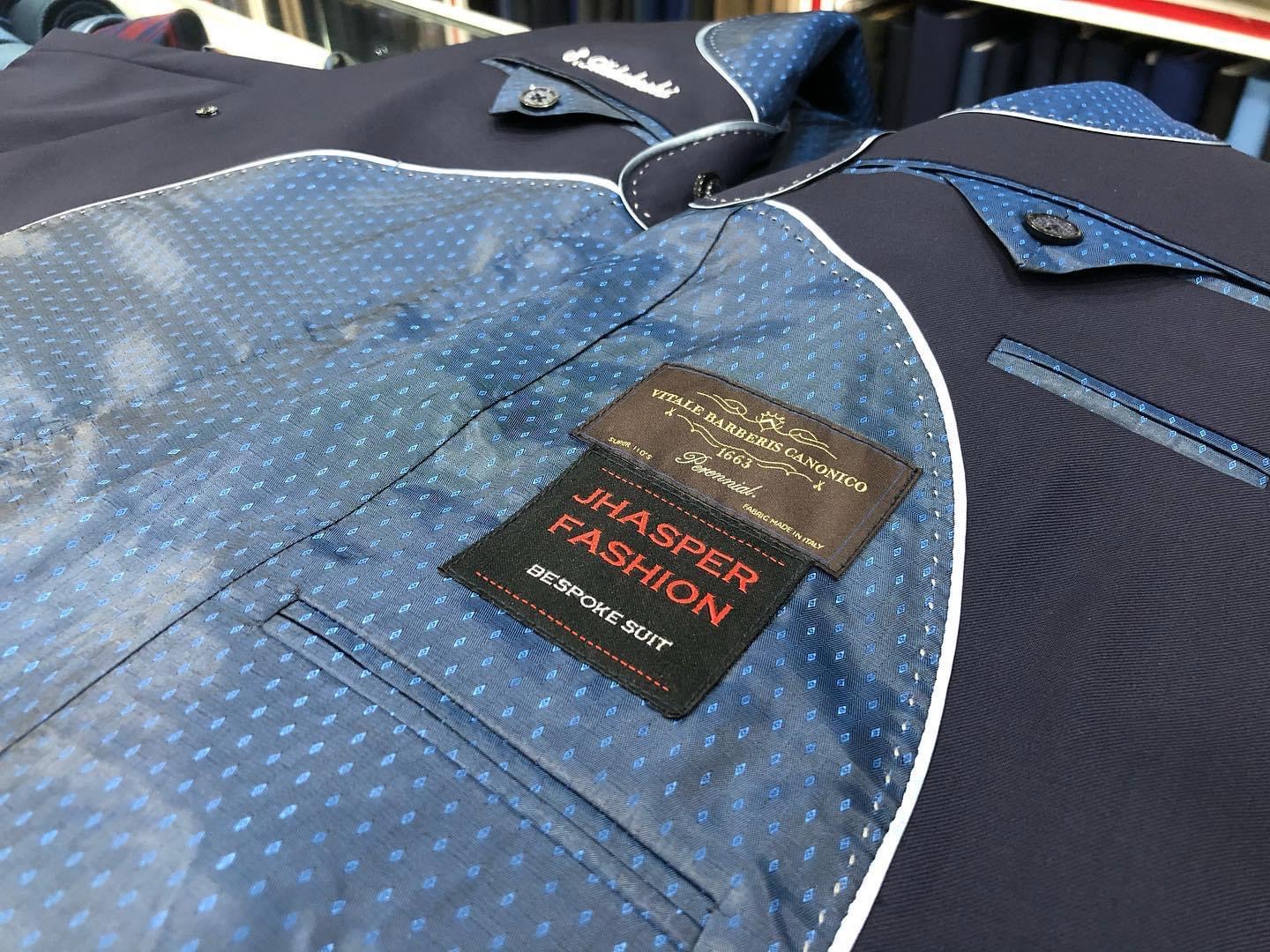
Cloth does not work alone. Lining, internal structure, trouser details, jacket fit, and allowance for movement affect perceived warmth and comfort. A fabric brief should therefore state the desired wearing conditions, not prescribe one isolated material as the complete solution.
Write a Mixed-Climate Fabric Brief
Summarise the garment, climate cycle, hours of wear, travel frequency, expected rotation, tolerance for creasing, preferred drape, and care routine. Add colour, pattern, and formality requirements. If one factor matters most—coolness outdoors, recovery after flights, or a sharper indoor line—name it as the priority.
Questions to Resolve Before Cutting
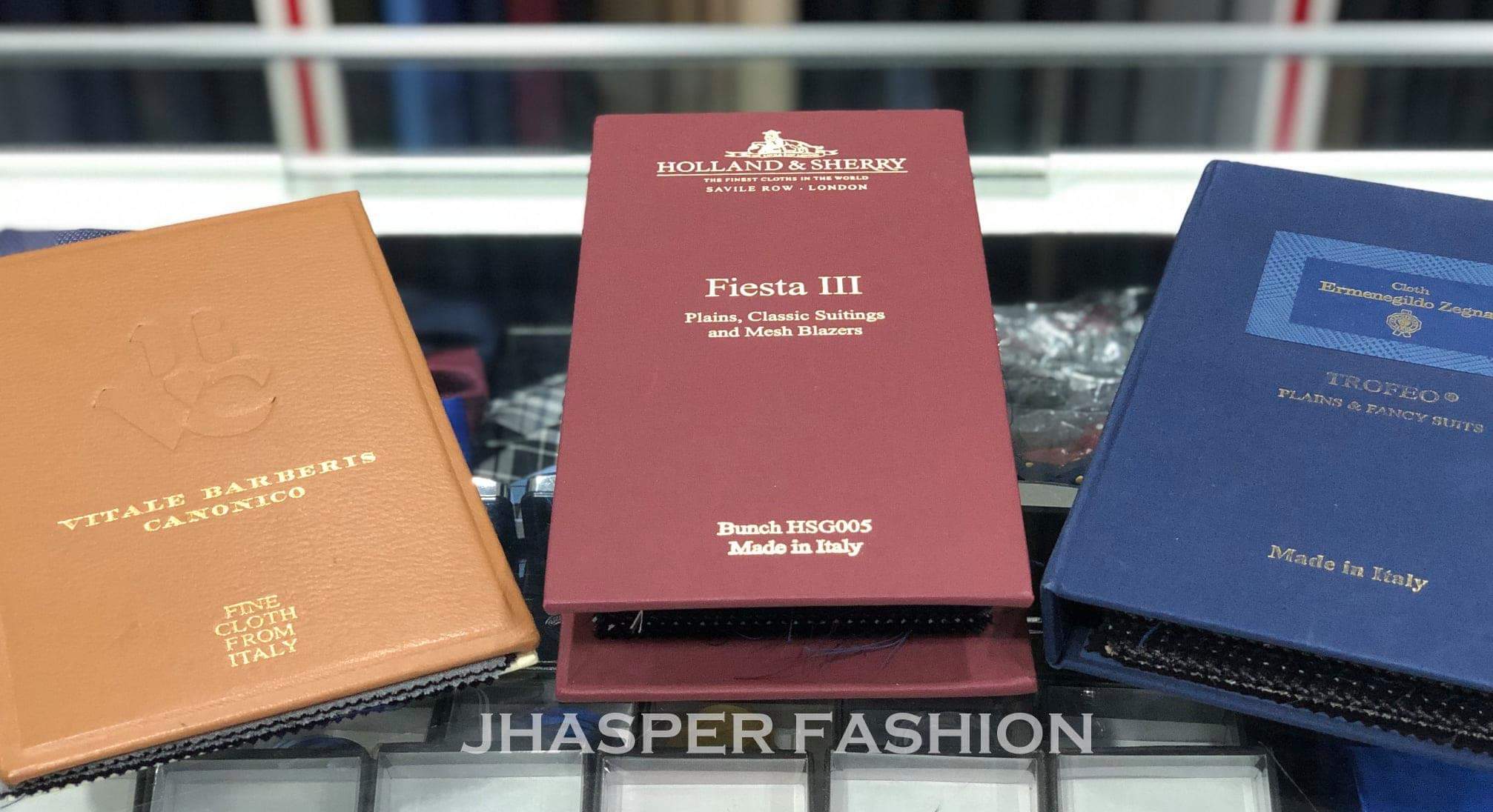
Confirm composition, stated weight, weave or construction description, bunch reference, colour, and expected care. Ask what is observable in the sample and what relies on experience with completed garments. Clarify whether the choice changes lining, structure, or delivery planning.
Final Decision Rule
Choose the cloth whose limitations are understood as clearly as its strengths. The right result should support the wearer’s real indoor-outdoor cycle, recover within the planned rotation..