

Tailored suits in Bangkok can offer good value when the garment suits its intended use, the complete cost is acceptable and the owner can realistically wear and care for it. Price alone cannot establish that value. Consider the occasions the suit will serve, the practical benefit over what you already own and the costs attached to using it. A cost-per-wear estimate can test your assumptions, but it is a planning calculation rather than evidence of the suit’s future life or a guaranteed saving.
Authors: Dave and Pinky, Co-owners of Jhasper Fashion.
Meet the owners of Jhasper Fashion
Define What Good Value Means for Your Use
Begin with the reason you would choose this garment from your wardrobe. A suit for repeated presentations needs to work across the settings in which you actually present. Clothing for a particular celebration has a more specific purpose. Both can be worthwhile purchases, but they should not be judged against an invented expectation that every suit will be worn weekly.
Describe what the new suit needs to improve. You may want a more appropriate level of formality, a preferred silhouette or greater comfort during the situations in which you wear it. If the answer is only that the offer appears inexpensive, pause and identify a real wardrobe role before judging it good value.
At Jhasper, understanding intended wear is a starting point for the consultation. That provides a useful basis for discussing expenditure: a suggested detail should have an explainable relationship to the customer’s purpose or preference. It does not mean that every upgrade produces a measurable financial benefit.

A personally meaningful choice can be legitimate even when it has no effect on frequency of wear. Recognise it as a preference you are willing to pay for. This keeps the decision honest and avoids presenting enjoyment, formality or personal significance as a fabricated saving.
Consider How Often You Will Wear the Suit
Use your actual routine as the starting point. Look at the events you attend and what you wore to similar occasions. Separate confirmed needs from possible future uses. A hoped-for change of job or a hypothetical series of formal events should not carry the same weight as meetings already part of your work.
Consider the environment as well as the calendar. A garment that looks appropriate might still be inconvenient for the journeys, indoor conditions or movement involved. Ask whether the proposed suit would be a realistic choice on those occasions, rather than counting every event at which a suit could theoretically be worn.
Existing clothes matter too. If another suit already does the same job well, the new garment may divide the same number of opportunities rather than create more of them. An additional purchase can still be justified, but its expected use should reflect that overlap.
Use this planning table to make the assumptions visible. The entries are hypothetical situations, not records of Jhasper customers or forecasts of garment life.
| Intended use | Expected frequency | Relevant costs | Suitability and care constraints | Assumptions to verify |
|---|---|---|---|---|
| Regular client meetings | Based on the actual meeting calendar | Garment, necessary care and any outfit additions | Dress code, seated comfort, care access | Will this suit replace or share existing use? |
| One formal event | The confirmed event first | Complete outfit and event-related preparation | Required formality and personal significance | Is reuse realistic or only hoped for? |
| Occasional business travel | Confirmed trips, not a sales forecast | Garment and relevant travel care | Packing, climate and time to arrange care | Would another garment already serve the trip? |
| Mixed work and social wear | Count suitable occasions once | Garment and any necessary additions | Whether the same design suits both settings | Are the proposed uses compatible? |
Reviewing these assumptions can reveal a more suitable design or a reason to wait. It should not become a reason to force every preference towards the cheapest possible garment.
Balance Suitability, Care and Ongoing Costs
A headline figure becomes meaningful only when you understand what it covers. Jhasper’s tailoring price guide uses tiers rather than a complete quotation for every order. Obtain the details relevant to your selection, then separate the purchase amount from other costs you would actually incur.
For this value assessment, keep the cost categories practical: the agreed garment, any additional items needed to make the outfit usable, relevant care and confirmed follow-up expenditure. Record a possible cost as uncertain until you have a basis for it. Avoid adding a broad contingency and then counting the same expense again as a specific charge.
The cost of time may matter without being converted into money. If the proposed garment requires appointments or care arrangements that are difficult to maintain, note that limitation alongside the calculation. An attractive numerical result should not hide a practical reason you would rarely choose the suit.
Care information should relate to the completed garment. Woolmark’s guidance on care labels directs readers to the instructions on their own clothing. Ask the maker how the proposed suit should be maintained, then establish whether the necessary service is accessible where you live. Do not use a general fibre description to invent a cleaning method or frequency.
For setting a spending ceiling and separating essential items from upgrades, use the existing tailored suit budget guide. The task here is narrower: judge the use you expect to receive for the expenditure you are considering.
Use Cost per Wear Without False Precision
Cost per wear divides a stated total cost by a stated number of wears. Before calculating, choose a planning period or defined group of occasions and apply it consistently. Include only the costs assigned to that same scenario. If the expected wear is unknown, show scenarios rather than presenting a single figure as established fact.
Planning formula: Cost per wear = (purchase price + specified related costs) ÷ assumed number of wears.
The following numbers are a hypothetical mathematical example. They are not Jhasper prices, a quoted care budget, a prediction of suit durability or a saving measured against another provider. The same total of THB 12,000 is held constant solely to show how the wear assumption changes the result.
| Hypothetical scenario | Purchase + specified related costs | Assumed wears | Calculated cost per wear |
|---|---|---|---|
| Limited use | THB 10,000 + THB 2,000 = THB 12,000 | 20 | THB 600 |
| More frequent use | Same hypothetical THB 12,000 total | 40 | THB 300 |
| High-use assumption | Same hypothetical THB 12,000 total | 80 | THB 150 |
The arithmetic changes substantially even though the garment cost does not. That is why the wear assumption deserves scrutiny. In reality, greater use may also change care or repair costs; the table deliberately holds those costs fixed to isolate one variable. Replace both the costs and wear assumptions with information relevant to your situation.
Try a conservative case before an optimistic one. If the purchase only looks acceptable when you assume unusually frequent use, identify what supports that assumption. You may still choose the garment for a particular occasion, but the reason should be clear without relying on an unlikely denominator.
Do not compare unlike purposes solely through the result. A ceremony outfit and a regular work suit provide different benefits. The calculation can expose assumptions within a decision; it cannot decide how much an important occasion or a personal design preference should mean to you.
When a Lower Price Is Not Better Value
A lower price may offer less value when the garment does not meet the intended use or creates costs you had overlooked. The relevant issue is the specific compromise: perhaps the design has fewer suitable occasions, the care is impractical or an essential element is outside the proposal. Identify that difference before deciding whether the saving matters.
The reverse also applies. Extra expense needs a reason. Ask how an upgrade changes the experience or appearance you want and whether that difference matters in your circumstances. A feature can be well made and still be unnecessary for the job you need the suit to do.
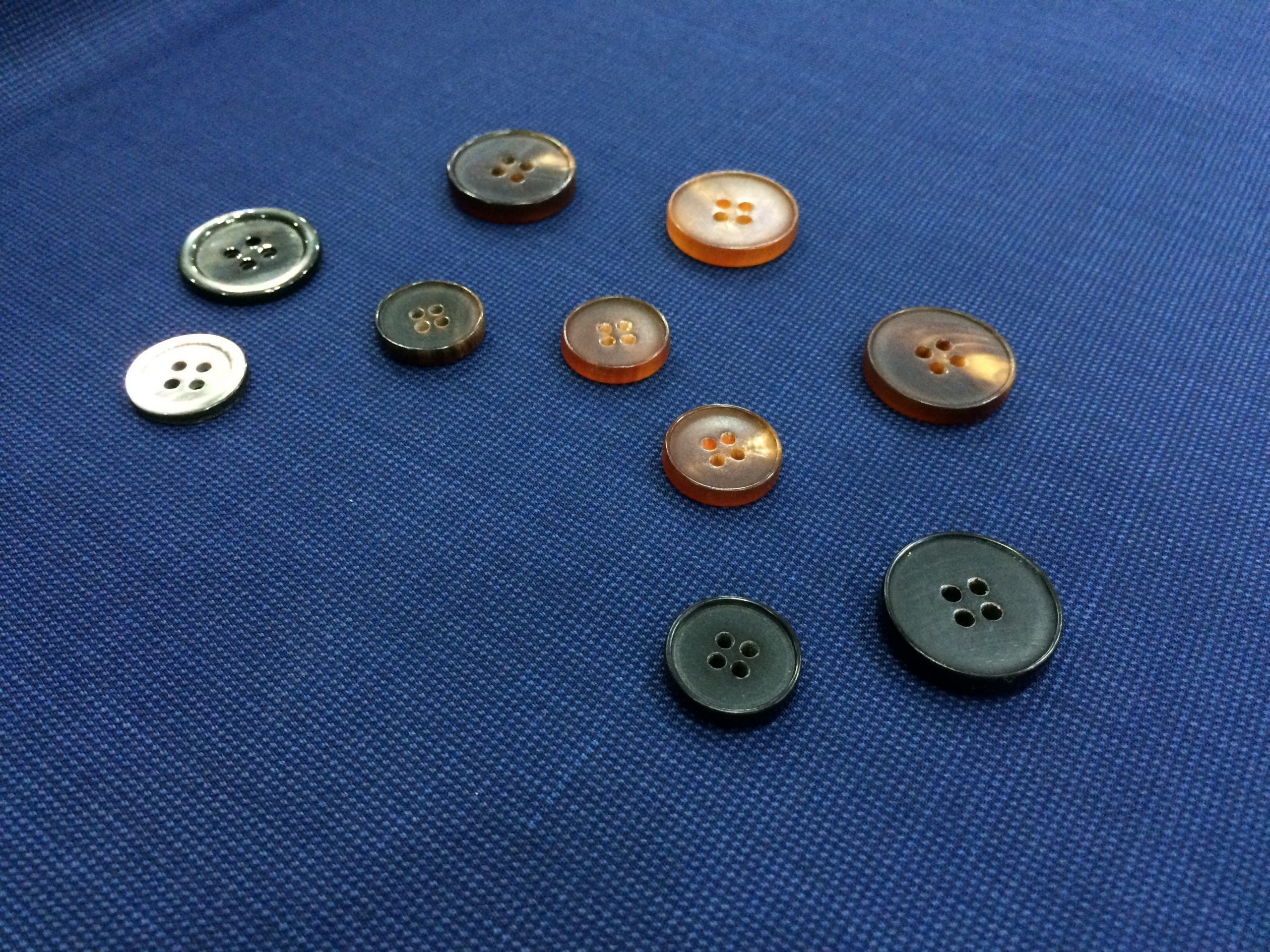
Before deciding, write down the intended use, the total you understand, the main wear assumption and the largest remaining uncertainty. If an unanswered question could change the decision, resolve it before treating the calculation as support for an order.
For the broader location decision, consider the quality, value, and timing of buying a suit in Bangkok alongside this assessment of use.
When discussing Bangkok tailoring services for custom suits with Jhasper, bring the occasions you have in mind and the assumptions you want to check. The useful result is a proposal you can assess against your own life, without needing an unsupported promise that it is the cheapest option.